Last week I shared what AI can carry for teachers.
This week, let’s talk about what it can’t.
A tool can draft a lesson in seconds. It has never watched your quiet student finally raise a hand. Hear me clearly: the point of saving time is to protect the parts of teaching only you can do.
Here are five things I would never hand over.
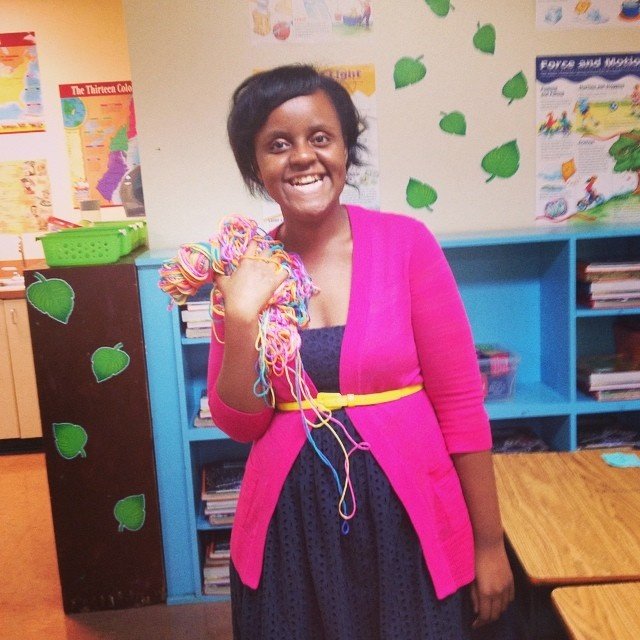
1. Knowing Your Students
AI doesn’t know that a student has been off since Tuesday. It doesn’t know who just moved, who skipped breakfast, or who needs a job to do when the morning goes sideways.
Use AI to draft options. You decide which one fits the child in front of you.
2. The Final Call on Grades
AI can help you build a rubric. It should not be the last word on a student’s work.
It can miss what a child was trying to say, and it can sound completely sure while being wrong. If a grade affects a child, a human should read the work and stand behind that grade.
3. Hard Conversations
AI can help you organize your thoughts before a difficult call. It can’t have the conversation.
When a family is worried or upset, they need to hear from someone who knows their child. Draft your notes if that helps. Then put them down and talk to them like a person.

4. Noticing What Is Wrong
If a student’s writing or behavior makes you concerned for their safety, that isn’t a prompt. Follow your school’s reporting process and talk to the right people, right away.
5. Student Privacy
This one is simple. Don’t paste in student names, IEP details, health information, or anything that could identify a child unless your school has approved that specific tool for that use. When in doubt, leave it out, and ask.
So What Does AI Get to Do?
Plenty. It can draft the outline, reword the directions, build the practice questions, and clean up the newsletter. Let it take that work and be glad about it.
The difference is who is responsible when it matters. A draft is a place to start. It is not a decision. When you read it, change it, and choose what stays, you are still the teacher in the room. When you copy and paste it without reading it, you have handed over more than you meant to.
AI can also be wrong while sounding completely sure, so read everything before it reaches a student or a family. Every time.
A Quick Test Before You Hit Enter
- Would I be comfortable if a family saw exactly what I typed?
- Am I about to skip the thinking, or just the typing?
- Can I stand behind this if someone asks me why?
If you can’t say yes to all three, slow down.
Show Your Students the Line, Too
Our kids are watching how we use these tools. When you model where you stop and think for yourself, you are teaching real AI literacy. Say it out loud: “I used AI for the outline. The decisions are mine.”
For Parents
Use the same line at home. Ask your child, “What part of this was your thinking?” You don’t need to be a tech expert. We talked about more ways to guide kids without fear last month.
A Note for School Leaders
Teachers shouldn’t have to guess. Give your team a short, clear AI policy: what is approved, what data stays out, and who makes final decisions. Then give them time to practice.
Building A Better Tribe With Our Judgment Intact
Let AI carry the paperwork. Keep the people. That is the whole job, and it is worth protecting.
Your friend,
Vimbo
Get Classroom-Ready Ideas in Your Inbox Every Monday
Join teachers, parents, and school leaders who get the Build Better Newsletter every Monday morning: practical, research-informed ideas you can use that same week. When you subscribe, you’ll also get my free guide, 25 AI Prompts to Help Kids Learn, for Teachers & Parents.
