Our kids are growing up in a world where information, entertainment, and AI are always available.
A question is always one tap away. A video is always ready to play. And more and more, an AI chatbot is ready to answer, explain, or even write the homework.
This week, October 19–23, is Digital Citizenship Week, and it’s the perfect time to ask a bigger question: What do children need from the adults around them when everything is always available?
Hear me clearly: they don’t need us to be afraid. They need us to be present, curious, and clear.

What Adults Often Misunderstand
As a former classroom teacher and principal, I’ve seen a lot of digital citizenship lessons that run on fear: a long list of things not to do. Don’t talk to strangers. Don’t post that. Don’t click this.
Those rules matter. But a list of “don’ts” doesn’t teach kids what to do when something online feels confusing, unkind, or just plain wrong. And it misses a big part of the picture: kids aren’t only consuming technology. They’re creating, connecting, learning, and increasingly, using AI.
Kids need clear habits they can practice, just like we practice fire drills, read-alouds, and kindness at recess.
Better Humans: Prosper, Prepare, Protect
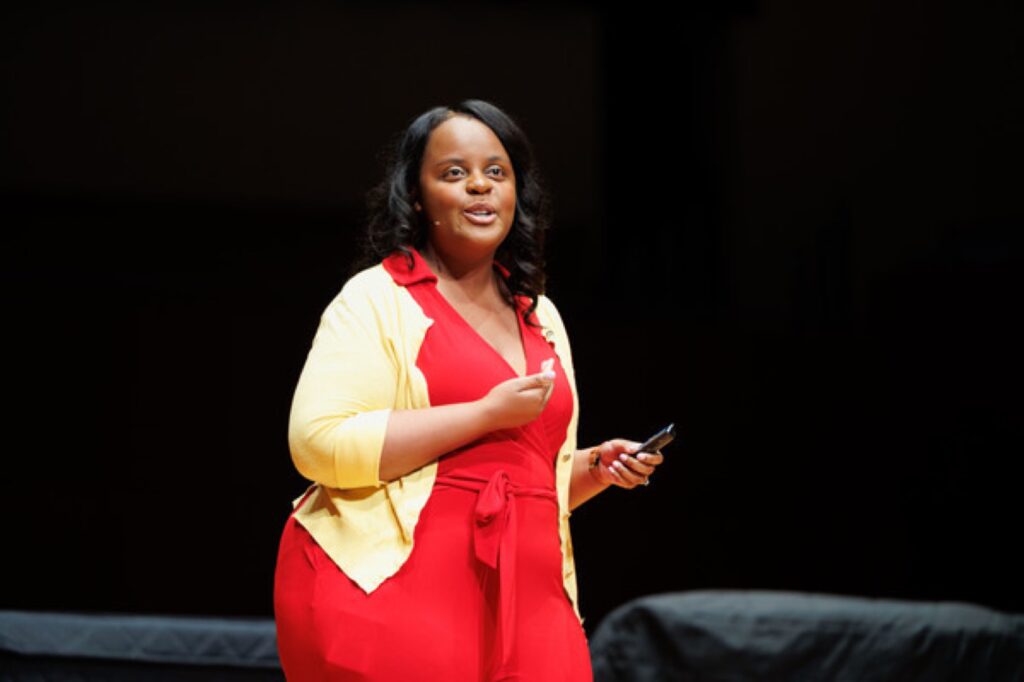
That’s why I built Better Humans, my digital safety and citizenship program for kids and teens. Every session is anchored in three pillars:
- Prosper: Students use technology to build, create, and grow, not just consume.
- Prepare: Students build critical literacy and healthy habits around AI and screens.
- Protect: Students learn to guard their privacy, their dignity, and their own thinking.
What This Looks Like by Grade Band
Digital citizenship isn’t one-size-fits-all. Here’s how the skills build over time:
K–3: Building Blocks
- Private vs. personal: some things (name, address, birthday, passwords) stay private, even with a best friend.
- Stop, Block, Tell: the exact steps to take when something online feels wrong, and knowing it’s never their fault.
- Kindness on a screen: being a good friend online works the same as being a good friend in person.
Grades 4–5: Digital Foundations
- The Permanent Trail: posts and messages stick around, even the ones built to disappear.
- Becoming an upstander: speaking up for a classmate instead of staying a silent bystander.
- A first screen boundary: a simple habit for putting the screen down during conversation.
Grades 6–8: Critical Users
- First questions about AI: AI can sound completely confident and still be wrong, so check its answers.
- The Screen Lid at 45°: a concrete habit for staying present during class transitions.
- Reporting pathways: knowing where to go for help, including CyberTipline.org.
Grades 9–12: AI-Literate Leaders
- Offloading vs. augmentation: using AI to sharpen their thinking, not replace the productive struggle of learning.
- Protecting their own thinking: academic integrity as a skill worth keeping, not just a rule to follow.
- Consent and dignity: asking permission before sharing someone else’s image or story.
For Teachers: Easy Ways to Start This Week
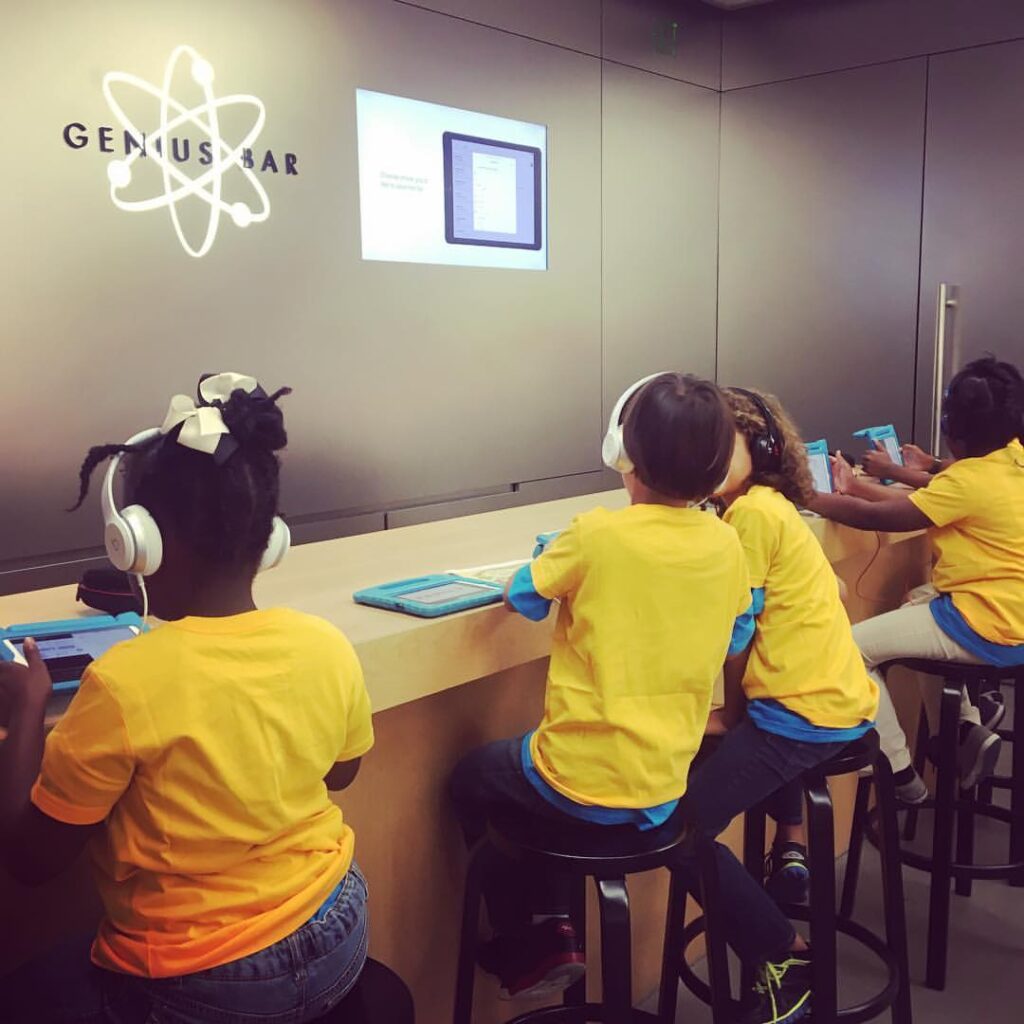
- Role-play Stop, Block, Tell with a few simple scenarios. Keep it calm and practical.
- Read sample comments aloud and ask, “Is this kind? How could we make it better?”
- Show students an AI answer that sounds right but isn’t, and verify it together.
- Talk about digital citizenship the same way you talk about classroom community: it’s how we treat each other.
For Parents: Guidance Without Fear
- Swap “don’t” for “here’s what to do.” Practice what your child would do if something online felt wrong.
- Keep the door open. Say often: “You can always tell me, and you won’t be in trouble.”
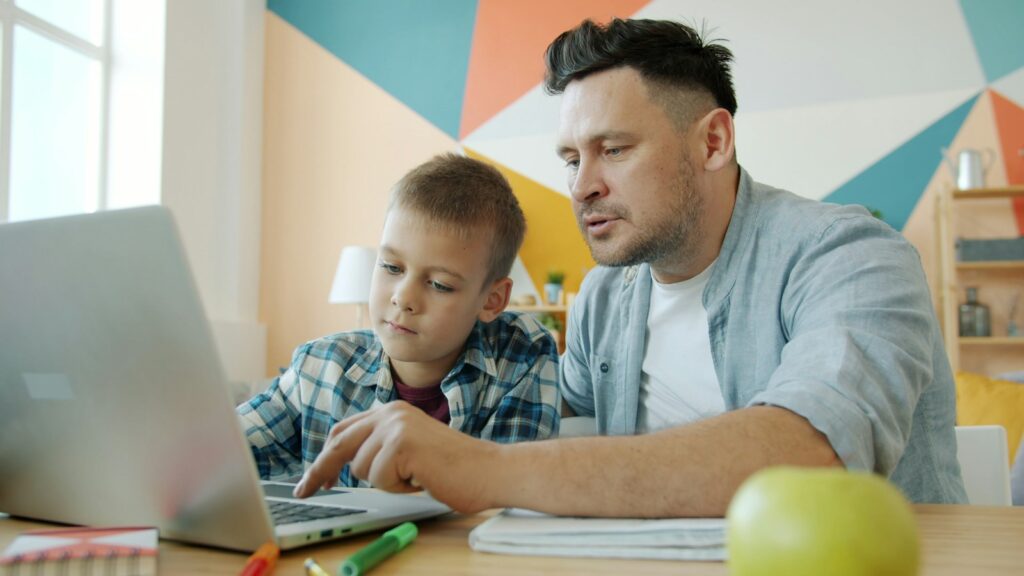
- Be curious. Ask your child to show you their favorite app or game.
- Model a screen boundary. Phones down at dinner, for grown-ups too.
A Note for School Leaders
Digital citizenship can’t live in a single assembly. The schools that do this well build a common vocabulary that teachers, students, and families all use. If you’d like to bring Better Humans to your school, as a whole-school assembly or interactive small-group sessions, reach out at hello@vimbowatson.com.
For more on supporting families, read How Schools Can Support Families Without Adding More to Teachers’ Plates.
Building A Better Tribe Online and Off
Our kids don’t need us to have every answer about technology. They need us to stay curious, stay connected, and keep talking.
Prosper. Prepare. Protect. The same values that build a better tribe in our classrooms and homes can build a better tribe online too.
Your friend,
Vimbo
Get Classroom-Ready Ideas in Your Inbox Every Monday
Join teachers, parents, and school leaders who get the Build Better Newsletter every Monday morning: practical, research-informed ideas you can use that same week. When you subscribe, you’ll also get my free guide, 25 AI Prompts to Help Kids Learn, for Teachers & Parents.
