March is Women’s History Month, and in many classrooms that means bulletin boards, biographies, and projects highlighting remarkable women throughout history.
Those activities are wonderful.
But the real power of Women’s History Month isn’t just learning names and dates.
It’s helping students understand something deeper: the value of every voice, every contribution, and every story.
When we approach this month thoughtfully, it becomes a powerful opportunity to strengthen our school communities and build what I often call A Better Tribe—a culture where people feel seen, valued, and connected.
And the beautiful thing is that both schools and families can participate in that work together.
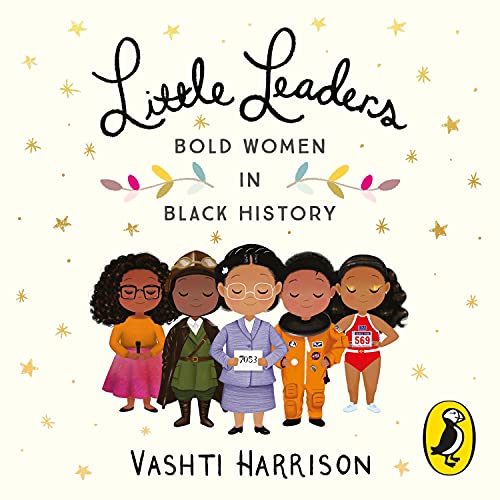
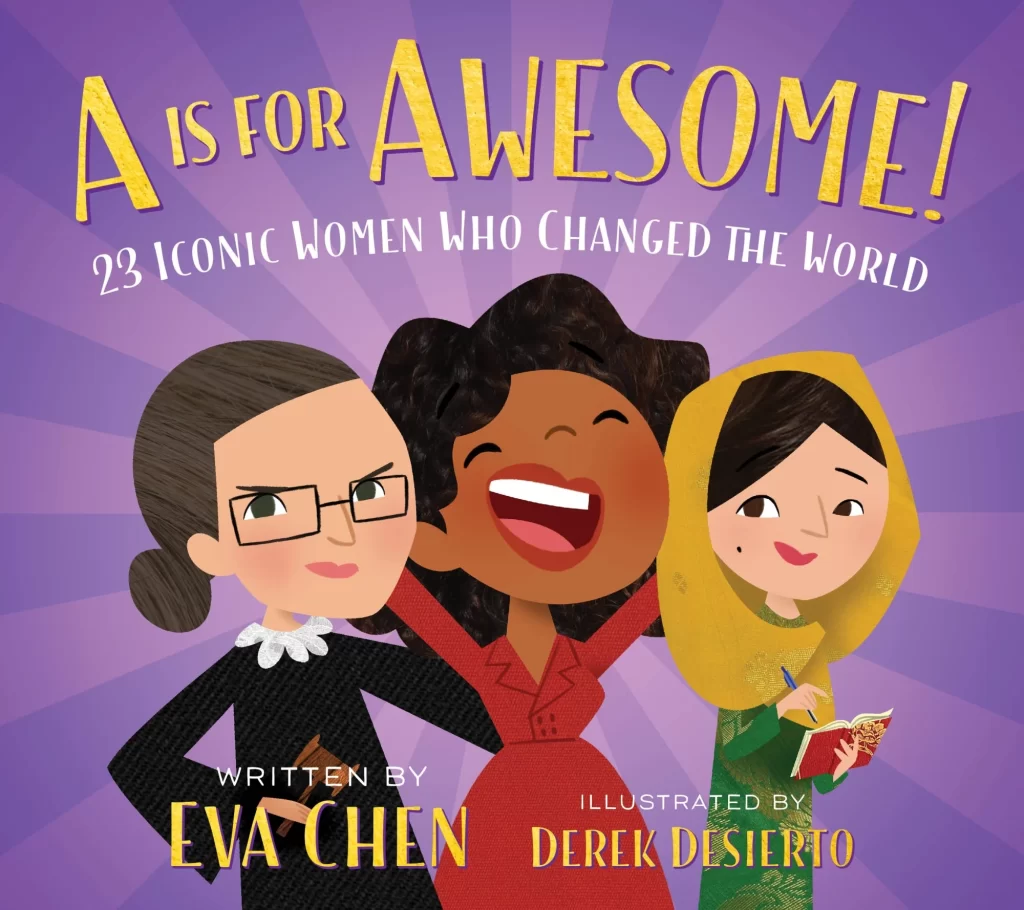
What Women’s History Month Teaches Students
Children absorb messages about the world very early. They notice:
- Who gets celebrated
- Who gets listened to
- Who gets leadership opportunities
When we intentionally teach about women’s contributions in science, government, art, athletics, education, and activism, we widen students’ understanding of what leadership looks like.
For girls, this can be incredibly empowering.
For boys, it builds respect, empathy, and awareness of the diverse voices that shape our world.
And for all students, it reinforces an essential truth: Great ideas can come from anyone.
Supporting Teachers During Women’s History Month
Teachers are often the ones bringing these lessons to life, but the month can also become overwhelming if it feels like “one more thing” to plan.
The key is integration, not addition.
Instead of adding extra projects, try weaving women’s stories into what you’re already teaching.
For example:
In literacy:
- Read biographies of influential women
- Analyze speeches or personal narratives
In science:
- Highlight women scientists connected to the topic you’re studying
In math:
- Introduce women mathematicians or engineers
Small shifts can make a big impact without adding to teacher burnout.
How Parents and Caregivers Can Participate at Home
Women’s History Month doesn’t have to stay inside school walls.
Families can reinforce these lessons in simple, meaningful ways.
Some ideas include:
- Watching a documentary about an influential woman
- Visiting a museum or historical site
- Talking about women leaders within your own family or community
Children often find it powerful to hear stories about women they know personally—grandmothers, teachers, neighbors, or coaches.
These conversations help children connect history to real life.
Helping Students See Themselves as Contributors
One of my favorite questions to ask students during this month is:
“What kind of difference do you want to make in the world?”
Women’s History Month should not only be about looking backward.
It should also inspire students to look forward.
We want students to understand that they are not just learners—they are future problem-solvers, leaders, creators, and helpers.
Building A Better Tribe Through Representation
Healthy school communities are built on recognition and belonging.
When students see themselves reflected in the stories we tell, they feel more connected to their learning.
When they learn about people different from themselves, their empathy grows.
That combination creates stronger classrooms, stronger families, and stronger communities.
And that is what A Better Tribe is all about.
Not just celebrating history—but shaping a future where every student knows they belong.
Your friend,
Vimbo

My 7-Day Stress Detox is a printable self-care workbook designed to help busy teachers, educators, parents, and other professionals reduce stress, prevent burnout, and restore energy in just one week.
This guided 7-day plan includes daily low-lift self-care challenges, optional stretch challenges, uplifting affirmations, and reflection prompts to help you reset your mind, body, and boundaries. Perfect for anyone feeling overwhelmed, overworked, or emotionally drained, this stress relief planner is easy to follow and requires no special equipment—just a few minutes each day.
